
Trauma in adolescents is far more common than most parents realize. In the 2023 Youth Risk Behavior Survey, **76.1% of high school students reported at least one adverse childhood experience**, and nearly 1 in 5 reported four or more (CDC, 2023). Left unaddressed, these experiences can quietly shape a teen's mood, friendships, and ability to function at school.
This guide breaks down what trauma-informed therapy actually is, which treatments have real research behind them, and how to find a therapist who's the right fit for your teen.
Key Takeaways
- Trauma-informed therapy adjusts to a teen's developmental stage, prioritizing safety and trust before diving into hard memories
- TF-CBT and EMDR have the strongest research support for adolescent PTSD
- Parent involvement is a key predictor of treatment success, not an optional add-on
- Symptoms lasting more than a month or disrupting daily life deserve a professional evaluation
- Therapist training in a specific trauma modality matters more than years of general experience
What Is Trauma-Informed Therapy for Teens?
Trauma-informed therapy isn't one specific technique you can point to. It's a lens: a way of practicing that assumes trauma might be present and actively works to avoid making things worse.
The framework most clinicians reference comes from SAMHSA, often called the Four R's:
- Realize the widespread impact trauma can have and the paths toward recovery
- Recognize the signs and symptoms in clients, families, and staff
- Respond by weaving trauma knowledge into every policy and practice
- Resist retraumatization at every step of care
This matters because adolescence isn't just "childhood with more homework." Hormonal shifts, identity formation, and intense peer influence all reshape how a teen experiences and expresses distress. A therapy approach built for eight-year-olds, or one designed for adults, often misses the mark entirely for a 15-year-old figuring out who they are.

Meadowbrook Counseling's therapists working with teen clients build this understanding into every session, adjusting pacing and language to match where an adolescent actually is developmentally.
Why It Matters for Adolescents Specifically
Unresolved trauma during teen years is associated with real downstream risk. Research using national survey data found a graded relationship: the more adverse experiences a teen reports, the higher the likelihood of poor mental health and substance use (PMC, 2024).
Trauma also shows up in the classroom. Common effects include:
- Lower GPA and declining academic performance
- More frequent absences
- Increased disciplinary issues at school
Trauma-informed therapy gives teens something they desperately need at this stage: a sense of control. Adolescence already feels like the ground is shifting. Good trauma treatment helps rebuild footing without stripping away the independence teens are trying to claim.
Signs Your Teen May Need Trauma-Informed Therapy
Trauma doesn't always look like sadness. In teens, it often shows up sideways — as anger, numbness, or behavior that seems disconnected from any obvious cause.
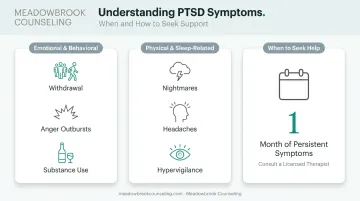
Watch for emotional and behavioral shifts:
- Withdrawal from friends, family, or activities they used to enjoy
- A sudden, unexplained drop in grades
- Outbursts of anger that feel disproportionate
- New or increased substance use
- Avoiding specific people, places, or situations without explanation
Physical and sleep-related symptoms:
- Nightmares or trouble falling/staying asleep
- Unexplained headaches or stomachaches
- Hypervigilance — seeming "on edge" or easily startled
Clinically, PTSD symptoms need to persist more than one month and cause real disruption before a formal diagnosis applies (American Psychiatric Association). But you don't need to wait for a diagnostic threshold to reach out. If something feels off and it's not resolving, that's reason enough to consult a professional — Meadowbrook Counseling's teen therapists can help you sort out what you're seeing and whether trauma-informed care makes sense.
Evidence-Based Therapy Modalities for Teen Trauma
Not all "trauma therapy" is created equal. Here's what actually has research behind it.
TF-CBT: The Most Studied Option
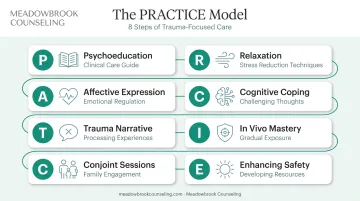
Trauma-Focused Cognitive Behavioral Therapy is the most extensively researched treatment for youth trauma. It's been tested across 25 randomized controlled trials and is designed specifically for ages 3-18 (TF-CBT.org, 2024). It follows a structured model often abbreviated as PRACTICE:
- Psychoeducation and parenting skills
- Relaxation techniques
- Affective expression and regulation
- Cognitive coping strategies
- Trauma narrative development and processing
- In vivo mastery of trauma reminders
- Conjoint parent-child sessions
- Enhancing safety and future growth
EMDR: A WHO-Recommended Alternative
TF-CBT isn't the only option with strong backing. Eye Movement Desensitization and Reprocessing (EMDR) uses guided eye movements or other bilateral stimulation to help the brain reprocess traumatic memories so they lose their emotional charge. The World Health Organization includes EMDR alongside trauma-focused CBT as a recommended treatment for children and adolescents with PTSD, though it notes the certainty of evidence is still low given the smaller number of trials (WHO).
At Meadowbrook Counseling, EMDR-certified therapist Rosario Toral works with trauma survivors, including adolescents, using this approach. Her work blends clinical training with a strong focus on helping clients feel genuinely safe before processing painful memories.
Other Approaches Worth Knowing
- Cognitive Processing Therapy (CPT): Helps older teens (research supports ages 14-21) challenge distorted trauma beliefs like self-blame or chronic mistrust
- Prolonged Exposure Therapy (PE-A): Gradually and safely walks teens toward avoided memories or triggers, reducing their power over time
- ITCT-A: A multimodal approach designed for complex or repeated trauma in adolescents ages 12-21, flexibly combining coping skills, regulation, and processing work
Research comparing TF-CBT and EMDR head-to-head hasn't crowned a clear winner. A 2018 meta-analysis found TF-CBT slightly ahead in some measures, but the differences weren't dramatic (PMC, 2018).
In practice, the fit between therapist and teen often matters more than which modality gets chosen.
What to Expect: The Trauma-Informed Therapy Process
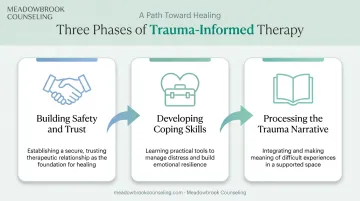
Trauma treatment isn't a single conversation — it unfolds in phases.
- Building safety and trust – The therapist establishes rapport and helps the teen feel grounded and secure before touching difficult material
- Developing coping skills – Emotional regulation tools give the teen something to lean on as processing begins
- Processing the trauma narrative – The teen works through what happened at their own pace, with the therapist guiding without forcing disclosure before they're ready
These phases don't happen in isolation — parents play a bigger role than most expect. Attending sessions, learning psychoeducation, and supporting your teen at home all reinforce what happens in the therapy room. You don't need to know every detail of what your teen shares — respecting their privacy while staying engaged is part of the balance.
Timeline expectations: TF-CBT typically runs 12-20 sessions, though complex or multiple trauma cases may extend to 16-25 sessions or more (TF-CBT.org). Your teen's specific timeline depends on trauma severity, how they respond to treatment, and whether other issues (anxiety, depression) are layered in.
How to Choose the Right Trauma-Informed Therapist for Your Teen
Not every licensed therapist has trauma-specific training. That distinction matters more than most families realize.
Look for:
- Specific certification or training in TF-CBT, EMDR, or CPT — not just general talk therapy experience
- A track record of creating a safe, nonjudgmental space where teens feel comfortable opening up
- Willingness to involve family members appropriately, without excluding the teen from decisions about their own care
Also weigh the practical side:
- Insurance coverage and out-of-pocket costs
- In-person vs. telehealth availability
- How close the office is, or whether virtual sessions solve the distance problem
Finding a good fit on both fronts doesn't have to fall entirely on the family. At Meadowbrook Counseling, the intake team matches teens with therapists trained in evidence-based, trauma-specific modalities across offices in multiple states, with telehealth available where an in-person visit isn't practical. Insurance benefits get verified before the first session, so families know what to expect financially before committing to care.
Frequently Asked Questions
What is the best therapy for adolescents with trauma?
TF-CBT and EMDR are considered the most effective, evidence-based options for treating trauma and PTSD in teens. The right choice often depends on your teen's specific needs and your therapist's clinical recommendation.
What are the 4 C's of trauma?
You may see this framework referenced online, but it isn't a standardized clinical model recognized by major mental health authorities. The verified framework clinicians use is SAMHSA's Four R's: Realize, Recognize, Respond, and Resist retraumatization.
How long does trauma therapy typically take for teens?
TF-CBT typically runs 12-20 sessions, though complex trauma cases may take longer — sometimes up to 25 sessions. Duration depends on severity, trauma type, and how your teen responds to treatment.
Is EMDR safe and effective for teenagers?
Yes. Major health authorities, including the World Health Organization, recommend EMDR for adolescent PTSD alongside trauma-focused CBT. It's especially effective when delivered by a properly trained or certified EMDR practitioner.
Will my insurance cover trauma-informed therapy for my teen?
Many insurance plans cover trauma therapy, though coverage varies by plan and provider. Meadowbrook Counseling verifies insurance benefits before your teen's first session, so costs are clear upfront.
At what age can a teen start trauma-focused therapy?
TF-CBT is specifically designed for ages 3-18, so nearly all adolescents qualify. EMDR is also widely used from pre-teen years through adulthood, making both options accessible regardless of your teen's exact age.